
LATEST POSTS
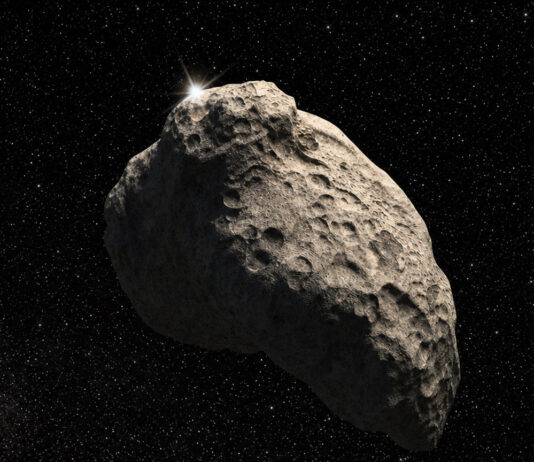
Apophis 2029: A 375-Metre Asteroid Will Pass Closer Than Our Satellites
Asteroid Apophis will pass 32,000 kilometres above Earth on 13 April 2029 — closer than the satellites carrying your TV signal — making it the nearest confirmed approach of an asteroid this size in recorded history. NASA and ESA have ruled out any impact risk, leaving only an unprecedented naked-eye spectacle visible to up to 90% of humanity.
What Flying at 30,000 Feet Actually Does to Your Body, Per New Research
From blood oxygen drops to cosmic radiation doses the FAA classifies as occupationally significant, a new Harvard-led study sharpens what science knows—and still questions—about the health effects of flying at cruising altitude.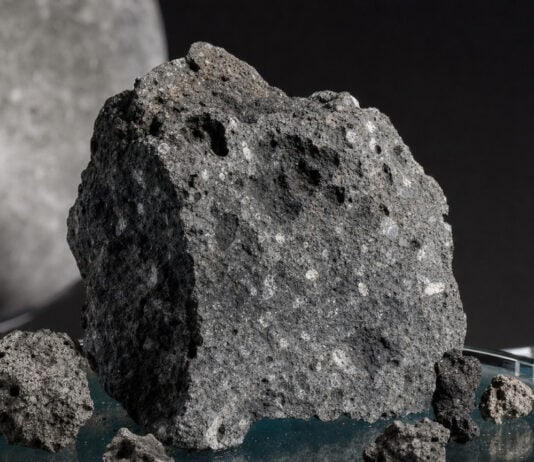
Moon Rocks Are Razor-Sharp, Not Smooth — What Apollo Samples Really Look Like
NASA's Apollo missions returned 842 pounds of lunar samples whose extraordinary textures — sharp, porous, and darkened by billions of years of solar exposure — defy the smooth gray spheres of popular imagination. Here's what lunar geology actually reveals about moon rock appearance.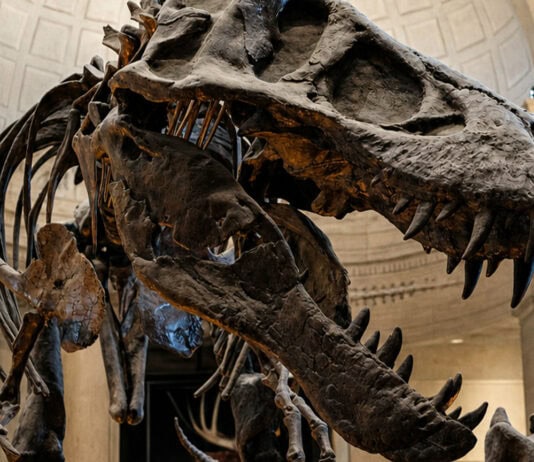
Dinosaur Predator Science Is Scarier Than Kids’ Movies Admit
From T. rex's 8,000-psi bite to ambush tactics mirrored in modern crocodilians, The End of Oak Street's suburban dinosaur chaos tracks surprisingly well with established predator science — and draws a clear line between settled consensus and still-contested questions like pack hunting.
NASA’s $10.5M State Hubs Target a 1-Million-Worker Aerospace Shortage
NASA has launched seven state-based aerospace workforce hubs backed by $10.5 million to address a projected shortage of one million skilled technical workers in the U.S. aerospace and defense sector. The hubs connect community colleges, K–12 programs, and industry partners to accelerate the talent pipeline.
Ancient Greece’s Most Common Jobs Were Farming, Not Philosophy
The most common jobs in ancient Greece had nothing to do with Socrates or the Academy. Farmers, potters, merchants, and mariners formed the skilled workforce that fed and commercially connected the ancient Greek world.Load More
TOP POSTS
January 26, 2026

January 26, 2026

January 26, 2026


EDITOR PICKS
December 12, 2024


December 6, 2024
